Getting around Basel: trams, buses, fares and what the BaselCard covers
How to get around Basel: the 13 tram lines and their terminals, which line goes to the Messe and to Riehen, what the day pass costs, what the BaselCard covers and where it stops. With a network map to download.
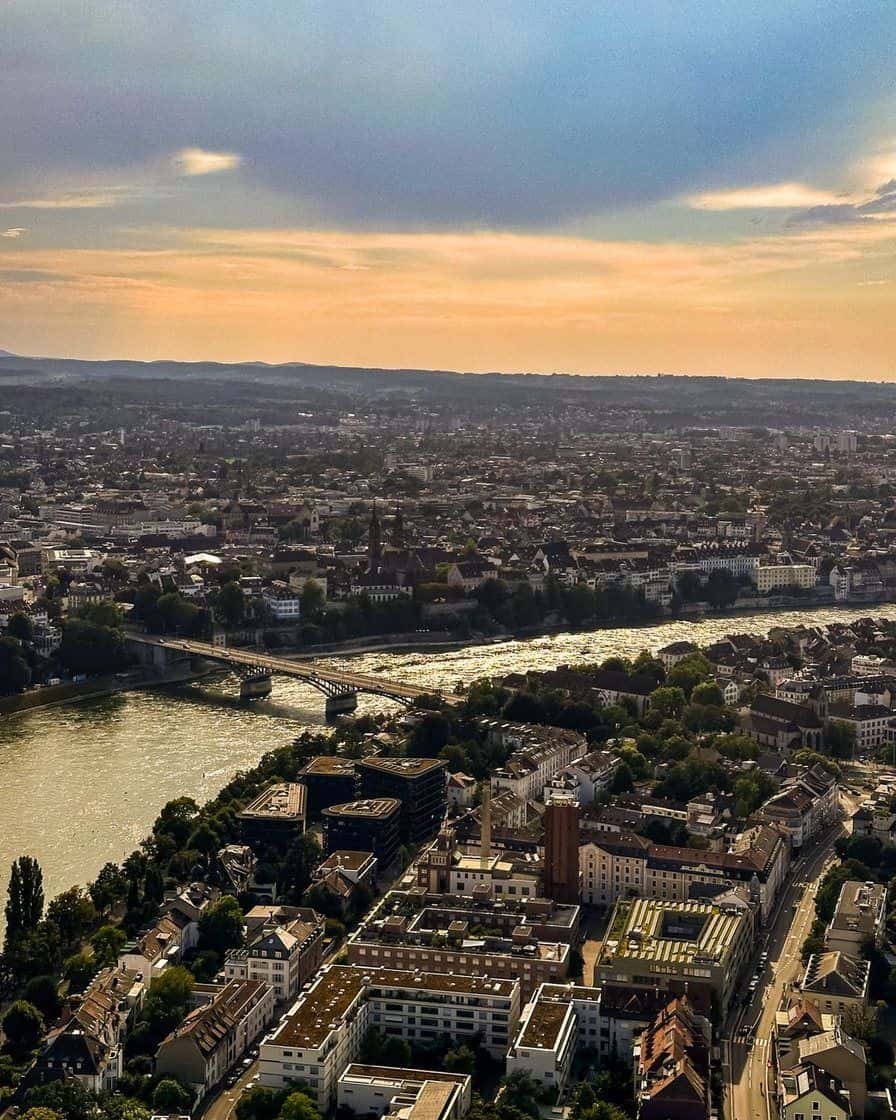
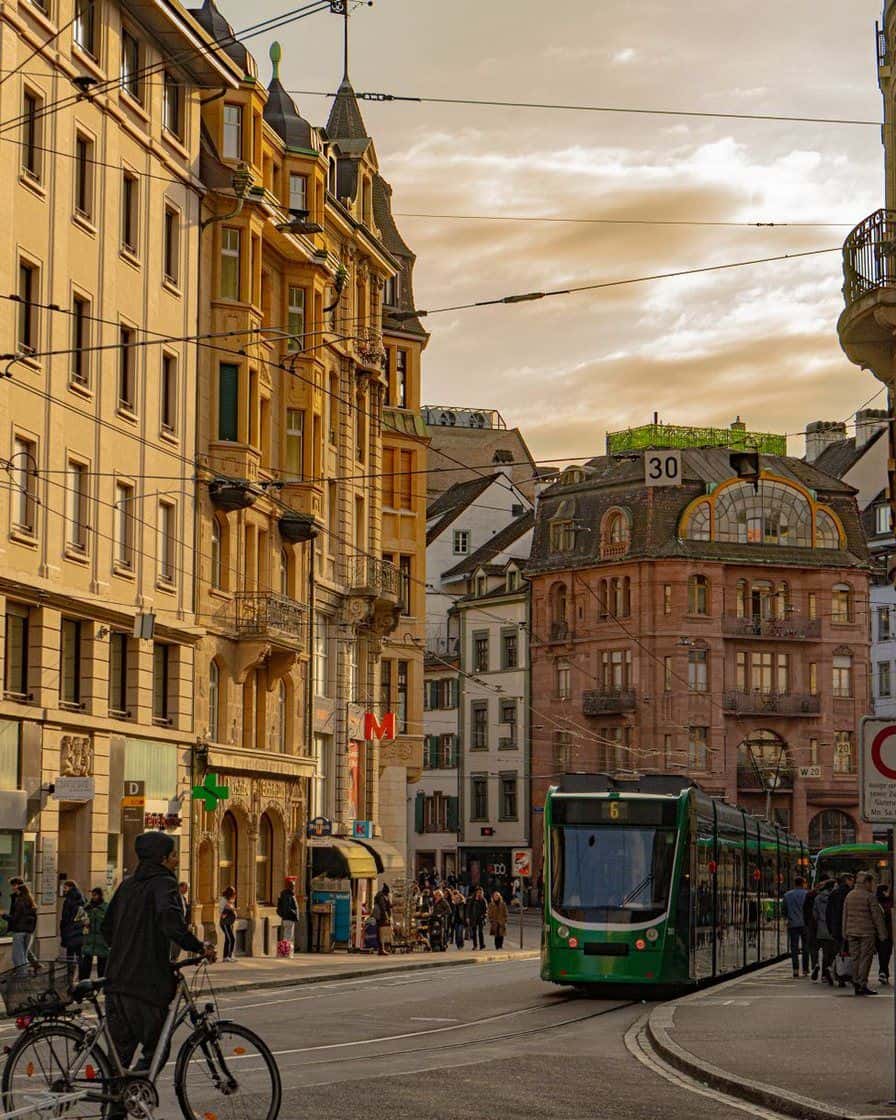
Basel is a tram city. The green and yellow cars run through the Old Town, over the Rhine bridges and across the national border, and for a visit you almost never need anything other than the tram and your own feet.
This page explains the network, the fares within the tariff network and the BaselCard, which many visitors get for free without knowing it.
The map below was drawn by Basel365 from OpenStreetMap data: the main lines, their terminals and their interchanges. Download it and keep it on your phone.
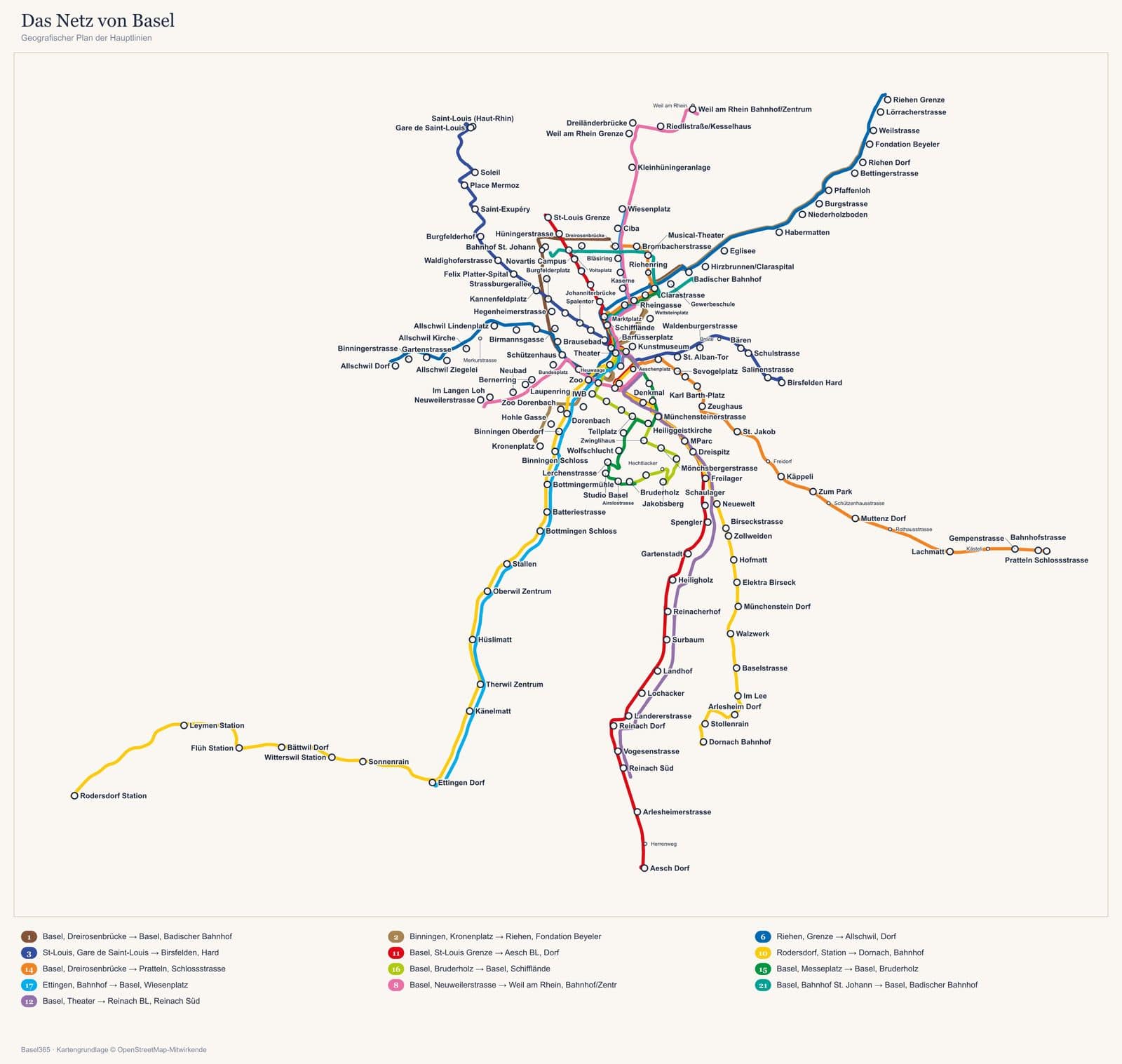
Download the network map (JPG, 663 KB) ↓
The official, complete and current map is the operator's: BVB.
Download the official map: Liniennetzplan 2026, tram and bus (BVB) (PDF) ↓
Download the official map: Liniennetzplan 2026, October edition (BVB) (PDF) ↓
Which tram lines run in Basel?
In October 2026, OpenStreetMap lists thirteen tram lines in the Basel network. The terminals show how far the tram reaches into the region: into France, into Germany and deep into the Basel countryside.
| Line | Route according to OpenStreetMap |
|---|---|
| 1 | Dreirosenbrücke to Badischer Bahnhof |
| 2 | Binningen to Fondation Beyeler |
| 3 | Gare de Saint-Louis to Birsfelden |
| 6 | Allschwil to Riehen Grenze |
| 8 | Neuweilerstrasse to Weil am Rhein |
| 10 | Rodersdorf to Dornach |
| 11 | St-Louis Grenze to Aesch BL |
| 12 | Theater to Reinach Süd |
| 14 | Dreirosenbrücke to Pratteln |
| 15 | Messeplatz to Bruderholz |
| 16 | Bruderholz to Schifflände |
| 17 | Ettingen to Wiesenplatz |
| 21 | Bahnhof St. Johann to Badischer Bahnhof |
The routes come from OpenStreetMap data and may differ during roadworks. On the day of travel, the BVB journey planner and the TNW and SBB apps are what count, as they show diversions.
Which line goes to the main sights?
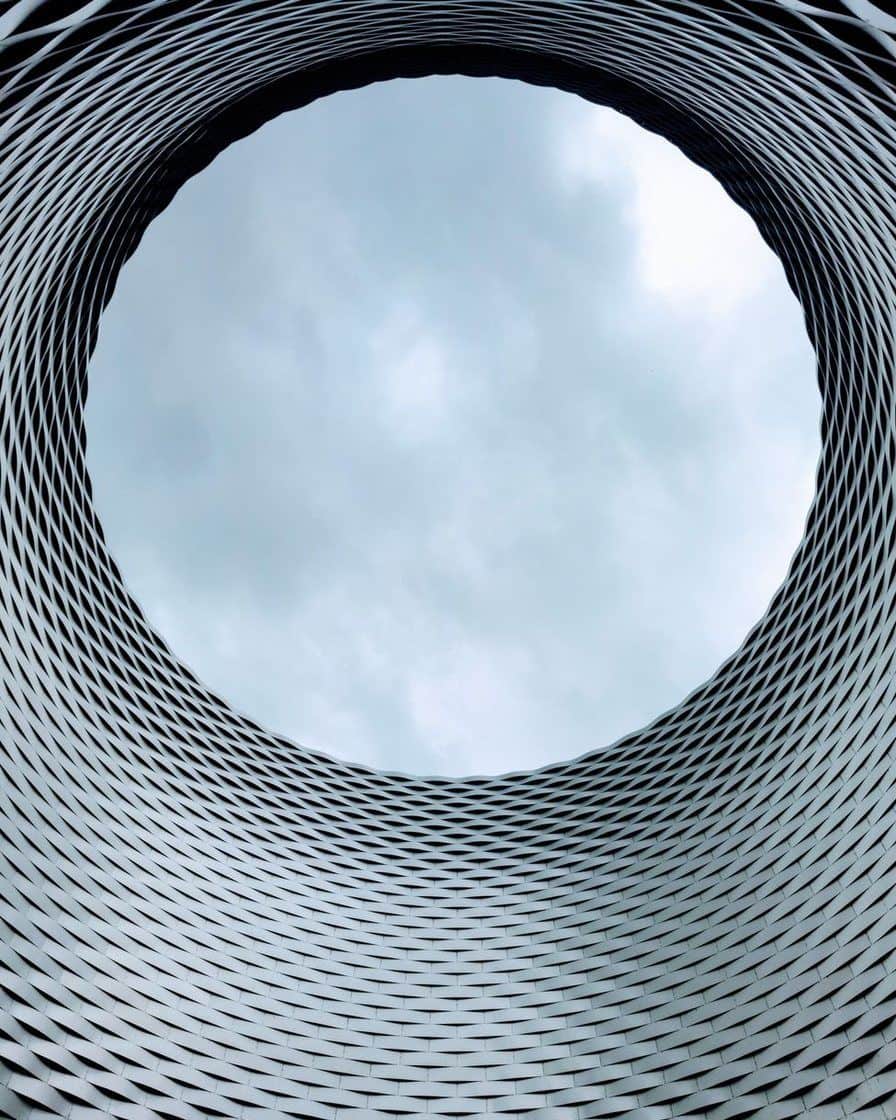
- Messe Basel and Art Basel: lines 1, 2, 6, 14, 15, 16 and 21 stop at Messeplatz. Lines 8 and 17 stop at Claraplatz, about five minutes' walk from the exhibition grounds.
- Fondation Beyeler in Riehen: tram 6 to Riehen Dorf, then a short walk. The details are on our page about the Fondation Beyeler.
- Museum Tinguely: from SBB station, tram 1 or 2 to Wettsteinplatz, then bus 31 or 38 to the Tinguely Museum stop. From Badischer Bahnhof, take bus 36.
- EuroAirport: bus 50 from SBB station, in about 17 minutes according to TNW. More on our page about EuroAirport Basel-Mulhouse-Freiburg.
- Between the stations: from SBB station to Badischer Bahnhof in 10 to 15 minutes depending on the line, with no change. Which train leaves from where is explained in Basel's stations.
How much is a ticket in Basel?
Basel belongs to the Northwestern Switzerland tariff network (TNW), which charges by zone rather than by distance. For visitors, zones 10, 11, 13, 14 and 15 matter most, and zone 13 includes EuroAirport.
| Ticket | Adult | Reduced | Valid |
|---|---|---|---|
| "Basel" day pass, zones 10, 11, 13, 14, 15 | 10.70 CHF | 7.50 CHF | until 5am the next day |
| Six "Basel" day passes | 64.20 CHF | 45 CHF | one day each |
| 2-day pass, whole TNW network | 29.10 CHF | 19.60 CHF | two days, until 5am after |
| 7-day pass, whole TNW network | 48.60 CHF | 32.60 CHF | seven days, until 5am after |
| U-Abo season ticket, one month | 86 CHF | n/a | for long stays |
For the day pass covering the whole TNW network, our two sources give different prices: 20.20 CHF in one and 18.20 CHF in the other, both for 2026. We show both until TNW publishes a single figure.
We did not find the price of a single city ticket in usable form in the official sources, so there is no figure here. One secondary source reckons the day pass pays off from about three journeys a day. The machine and the app show the price before you buy.
Buy before you board, at the machine or in the app. A ticket bought after departure is generally treated as invalid. Without a valid ticket you pay a CHF 100 surcharge the first time according to the TNW, and more for repeat offences.
Skip the day pass: stay in Basel accommodation and pay the visitor tax, and you get the BaselCard, with free travel in zones 10, 11, 13, 14 and 15. The hotels in Basel with prices and cancellation terms can be filtered by location along the tram lines; ask about the Mobility Ticket for your arrival when you book.
Compare hotels in Basel →Partner link: booking through this link supports our editorial team at no extra cost to you.How do you buy a ticket?
There are three ways: the machine at the stop, the TNW app and SBB Mobile. The apps also show timetables and disruptions, and SBB Mobile sells Basel local transport tickets alongside train tickets.
None of our sources says whether the apps work without a Swiss account, Swiss address or Swiss payment method. Install the app at home, create the account and test a purchase with your card before you are standing at the stop.
At the machines, too, there is no confirmation of which cards, contactless payments or phone wallets are accepted everywhere. A little change in francs is a good backup, especially late in the evening.
- Buy before boarding: check the date, time, zones and number of travellers on the ticket.
- Keep the ticket: until you get off, and carry ID.
- Count the zones: a zone 10 ticket is not enough for every destination outside the city.
- Check for disruptions: roadworks cause diversions that can make a planned connection useless.
Which ticket suits whom?
For a day with several trips around town and out to the airport, the "Basel" day pass is the simple choice. For a family or group there is a bundle of six day passes for 64.20 CHF, or 45 CHF at the reduced rate.
The 2-day and 7-day passes cover the whole TNW network and pay off if trips into the Basel countryside are on the programme. For a stay of several weeks there is the U-Abo at 86 CHF a month; the annual pass costs 824 CHF.
And if you are staying overnight in Basel, you usually need no city ticket at all, because the BaselCard covers your journeys. The details follow.
What does the BaselCard cover, and what not?
Guests staying in a Basel hotel receive the BaselCard with a Mobility Ticket for their whole stay, up to 30 days. It is valid in second class on trams and buses in zones 10, 11, 13, 14 and 15.
Some hotels print the Mobility Ticket on the booking confirmation, which then already covers the trip from the airport or station to the hotel. If yours says nothing, ask beforehand: if you only get the card at check-in, the first journey is not covered.
- Cross-border journeys: not covered, even if the line starts in Basel.
- Holiday flats: the official sources refer to hotels, while a secondary source includes holiday flats. Check with your host.
- "Zone 10" only: some accounts simplify it to the city zone. According to TNW, the card covers all five zones listed.
- Art Basel admission: not included; the card gives neither free entry nor a discount there.
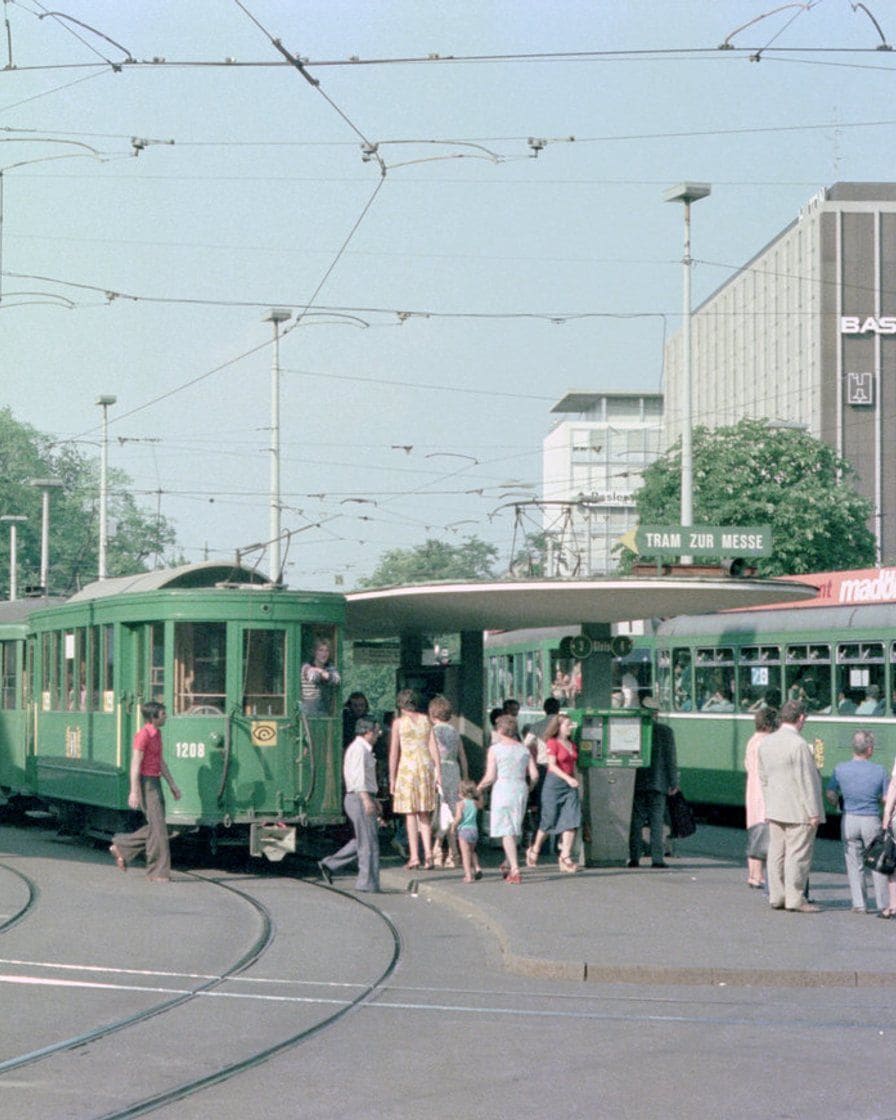
Photo: Kurt Rasmussen, Attribution, via Wikimedia Commons
Which lines cross the border?
Basel borders three countries, and the tram treats the borders as mere stops. According to OpenStreetMap, line 3 ends at Gare de Saint-Louis in France, line 8 in Weil am Rhein in Germany, and line 11 at the border near Saint-Louis.
This is where the most common fare trap lies. A ticket for the Basel zones and the BaselCard are not enough to cross the border, even if there is no visible check. For Weil am Rhein, Saint-Louis and the French exit of the airport you need a cross-border TNW ticket.
Line 8 takes you to the Vitra Campus in Weil am Rhein, line 3 to Saint-Louis. Both are easy once you have the right ticket.
Do trams and buses run at night?
On Friday and Saturday nights, trams, buses and trains run until late. According to the canton's local information, the TNW night network charges no night supplement.
That does not mean every line runs all night. Night lines and the last departures of the regular lines are two different things: check your journey back in the app before settling into a bar in Kleinbasel.
How accessible is the network?
Basel's tram fleet is considered largely low-floor, and the exhibition halls can be reached without big steps. "Largely", however, does not mean every vehicle or every stop.
The share of accessible vehicles, the height of platform edges and the list of step-free stops are not published in our sources. Wheelchair users should check vehicle and stop in the journey planner and allow one extra departure during fairs.
When is walking quicker?
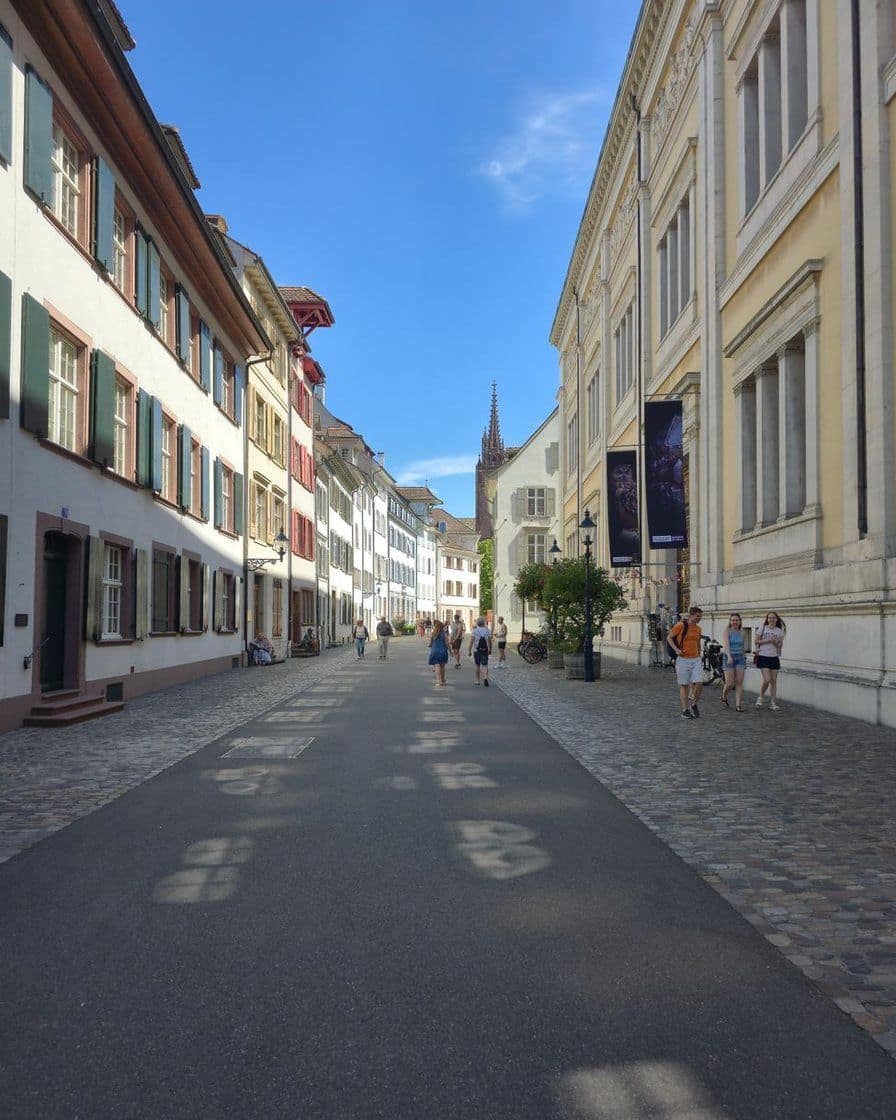
The Grossbasel Old Town is compact: from Barfüsserplatz to Marktplatz and on to the Minster takes a few minutes, and the tram goes around the Minster hill. Between SBB station and the Old Town the tram is worth it; within the Old Town, walk.
Besides the bridges, four small ferries cross the Rhine, driven by the current alone. A crossing costs CHF 2 for adults and CHF 1 for children according to the ferry association; only the bridges are free. The districts and distances are on our map of Basel.
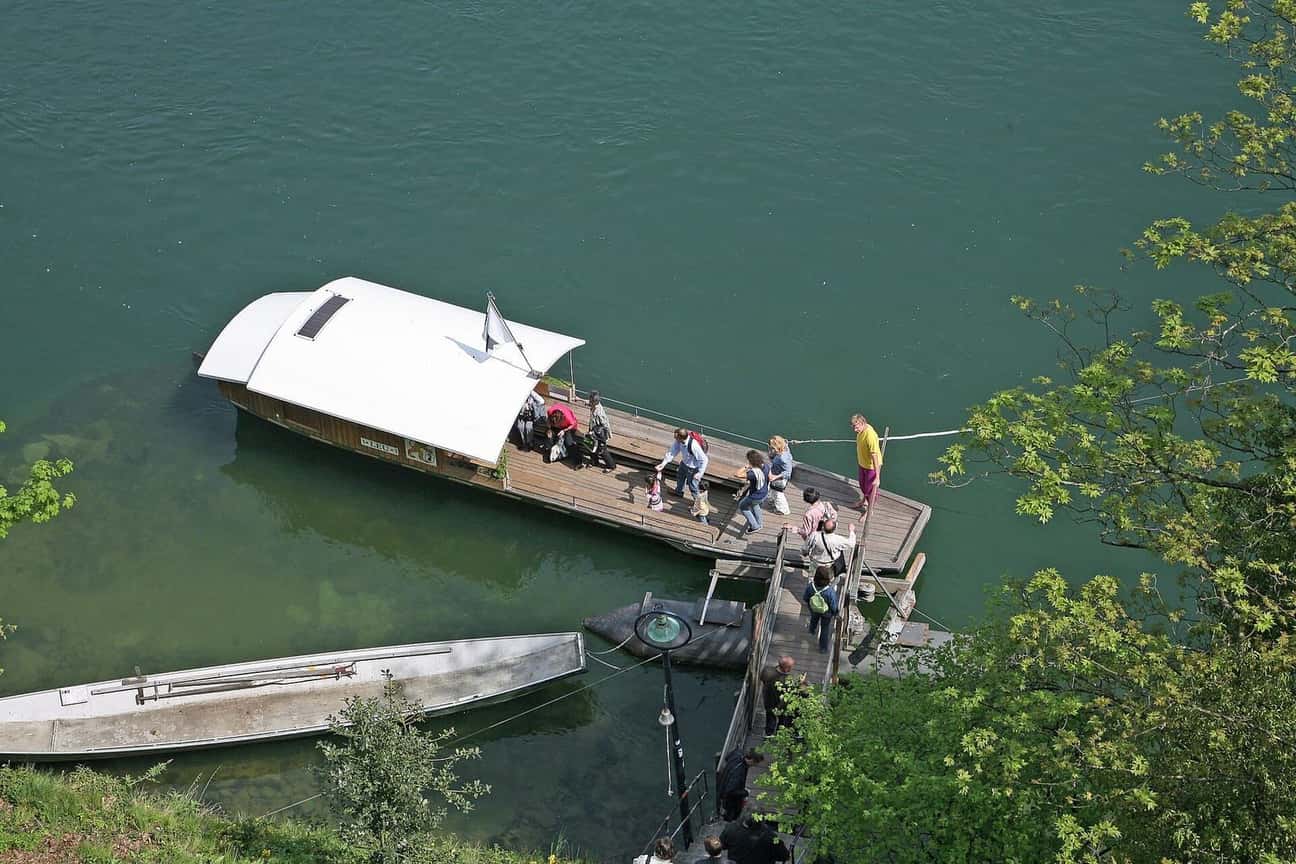
Photo: W. Bulach, CC BY-SA 4.0, via Wikimedia Commons
What changes during fairs and Fasnacht?
During Art Basel, Messeplatz and the trams serving it are very busy, although no capacity figures are published. If you have time, get off at Claraplatz and walk the last few minutes.
During Fasnacht, Basel's carnival, the Old Town is practically closed to traffic while the parades are on, and trams are diverted. Which line runs where is in the BVB timetable for the carnival days, and more on how the event unfolds is on our page about Basel Fasnacht. For the fair itself, our guide to Art Basel explains the route.
Stay close to a line: accommodation near a hub such as SBB station, Barfüsserplatz or Claraplatz saves changes, and with the BaselCard every ride is free. The well-rated places to stay in Basel can be sorted by tram stop on the map.
See places to stay in Basel →Partner link: booking through this link supports our editorial team at no extra cost to you.Which district suits which stay is explained in where to stay in Basel. If you do come by car, the rates are in parking in Basel and the sites on the edge of town in park and ride in Basel.
Sources: Northwestern Switzerland tariff network (tourist information, 2026 fares), Basel Tourism (public transport, BaselCard), Canton of Basel-Stadt (hallo-baselstadt.ch, night network), BVB (Liniennetzplan 2026, journey planner), Museum Tinguely and Fondation Beyeler (directions), OpenStreetMap (line routes, October 2026), comparecitypass.com and baselswitzerlandtours.com (secondary sources on the BaselCard).
Frequently asked questions
How much is a day pass in Basel?
Is public transport in Basel free for tourists?
Which tram goes to Messe Basel?
Can you take the tram from Basel to France and Germany?
Is there a night supplement in Basel?
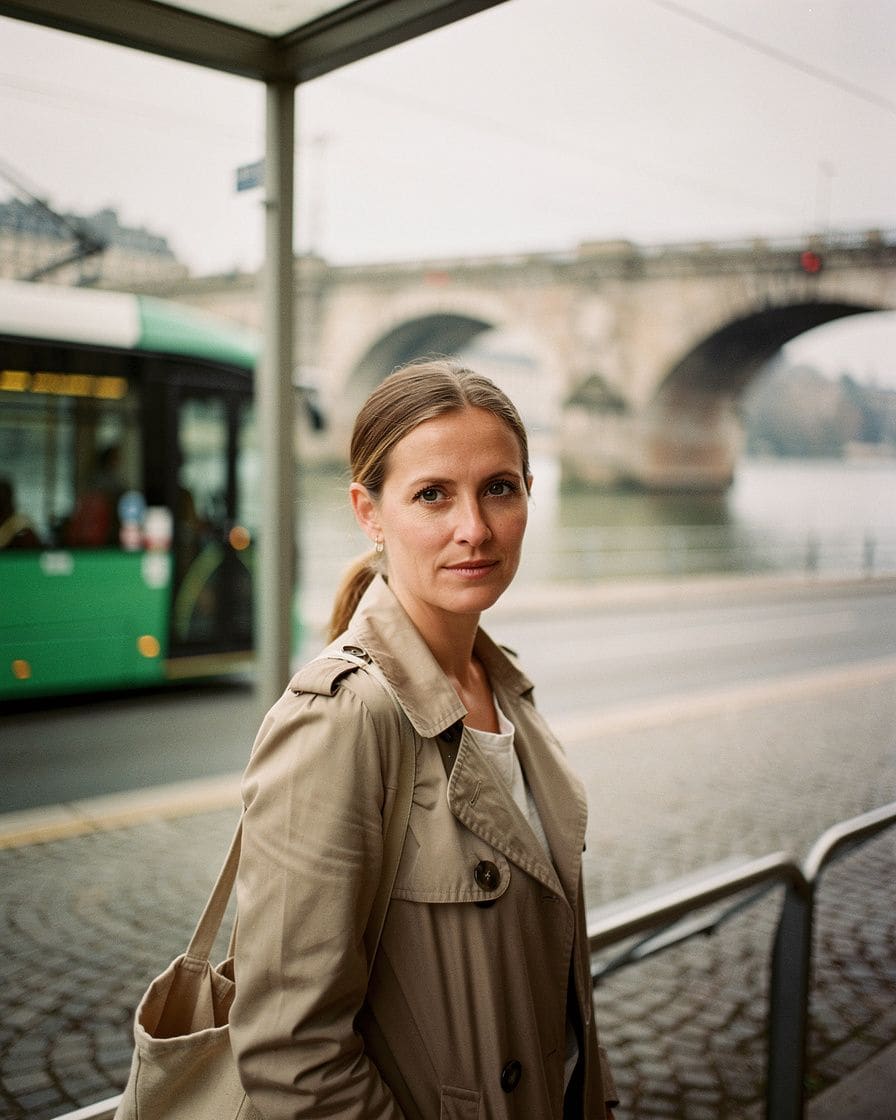
Corinne Schaub
Corinne spent six years on the front desk of a hotel near the Badischer Bahnhof, answering the same questions about trams, zones and the border every day. She writes the pages she would have liked to hand to her guests. She checks every fare with the operator, never in a guidebook.